Showing posts with label Compound Words. Show all posts

Wednesday, February 1, 2017

Teaching Ideas for Spanish in the Spring

(Affiliate Links Used.)

Here are several resources you can use during the Spring months as you teach Spanish...books, learning activities, and so much more! Happy Spring!


Spring Books in Spanish- Here's a list of great books to read during the spring months.


El Nabo Gigante spans not only the spring, but into the fall harvest time. This post has learning activities to go along with the book.


Arriba, Abajo, y Alrededor is a great gardening book in which you can focus on prepositions and words for vegetables.


Y De Pronto es Primavera- A sweet story of how spring can surprise us!


Plant Unit- I have created a plant unit that you could use during the spring months. Lots of vocabulary related to plant parts and types of veggies in this post!


Easter Resources- Here you can find some books, "emotion eggs", and other activities to do close to Easter.


Compound Words with Eggs- Last year my younger students worked with compound words in Spanish. We used Easter eggs to review their vocabulary!

I would love to hear what activities you do with your Spanish students during the spring months!


Wednesday, September 10, 2014

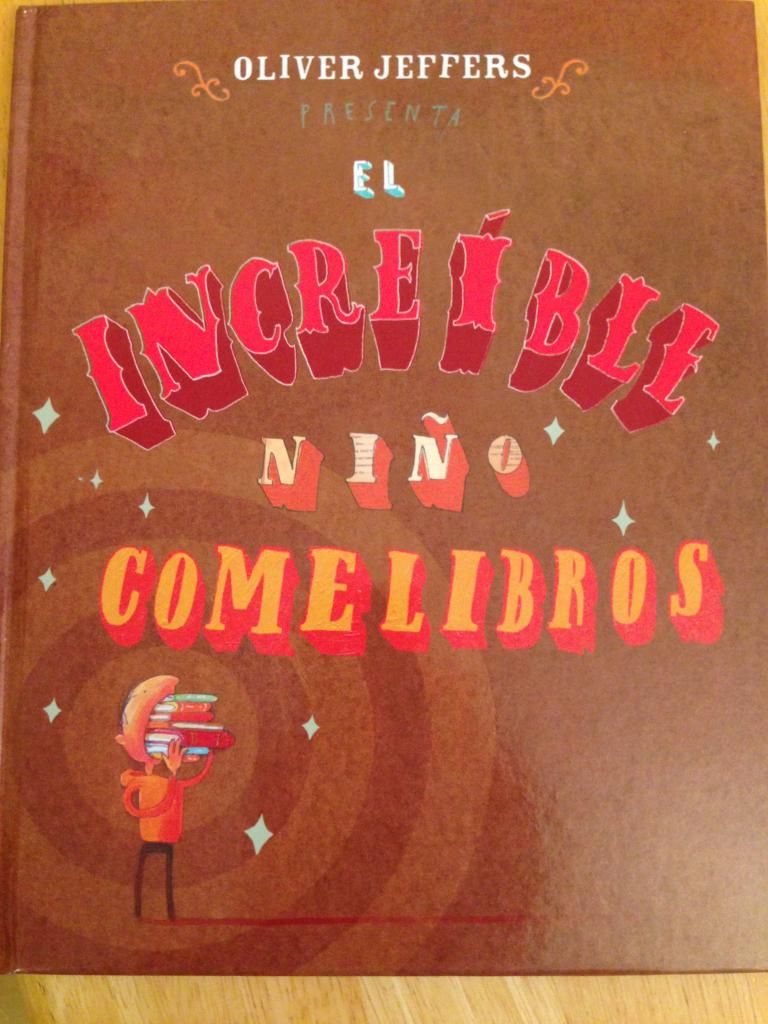
El Increíble Niño Comelibros


{Affiliate links used. Thanks for supporting this blog.}

If you have read my blog for any amount of time you know that I love Oliver Jeffers' books in Spanish. Here are all my posts on the books I have used in my classes that are written and illustrated by him. El increíble niño comelibros is a cute book about a boy who loves eating books and becomes smarter with each book he consumes. The story line promotes reading and is great for delving into different categories of Spanish vocabulary and exploring some grammar points.

Here are some categories of vocabulary and grammar that you can touch on after reading the book:

Comelibros- A compound word.  See my posts on teaching compound words.

Types of Books- novelas, diccionarios, almanaques, libros de bromas, libros de historias, etc.

Verbs like gustar and encantar

Comparatives and Superlatives- Since the boy becomes smarter the more he eats and then is deemed the smartest person in the world you can discuss how to form comparatives and superlatives. There are the "mal", "peor", "bueno", "mejor" so you can talk about irregular comparatives. 


Preterite and Imperfect- The book is written in the past tense and gives great examples of how the preterite and imperfect work together in Spanish.

Emotions and Conditions- The book has the following words: enfermo, verde (for being sick), vergüenza, triste, complicada

Words related to digestion- comer, atiborrarse, devorar, la boca, la barriga, morder, masticar, tragar, la digestion


El Increíble Niño Comelibros is not to be missed!

Wednesday, May 7, 2014

Teaching Compound Words {Games}


I am getting ready for my fall Spanish lessons.  I know...it seems strange to be working in May for activities that will happen in September, but I have found that it is the best way for me to stay on top of things. Yesterday I posted about working with compound words in Spanish. I am planning on doing this with any of my students that have already been introduced to the present tense.  Most compound words in Spanish involve a verb that is conjugated in the he/she form so a little background in verbs helps.

I created a set of cards to play a few games.  Basically, the first half of the word goes on one card and the other half on another {see below}. I put all the first halves on yellow cardstock and the second halves on orange because I did close to thirty words.  This way they will be easy to sort. Now I can play Memory {It won't be as overwhelming because the cards are on two colors.  They will know to always pick two of each color.}, Go Fish!, and even test my students with the cards by laying out the first halves and letting them put the second halves on top.


Any other great ideas?  How do you teach compound words?

Tuesday, May 6, 2014

Teaching Compound Words {List and Activities in Spanish}


I love words! I guess as a language teacher I should.  In particular, it is fun to see the real meaning behind words.  This past week I have been setting up a compound words unit for my intermediate and advanced students. My goal is to increase their vocabulary base and get them thinking about how we don't always express ourselves in the same way.  What may be a grasshopper in English becomes a "mountain hopper" in Spanish.

I chose thirty compound words in Spanish and created worksheets like these...


The worksheets require students to look up the two (or three) parts of the word in Spanish and translate them.  They then take the second page and cut out the picture and put them by the correct word after the bubbles.  By the time they are finished they have gained ten new vocabulary words and have learned five compound words. It is interesting to see how differently things are said in another language. Instead of a scarecrow you have a "scarebird" in Spanish. Instead of a dropper you have a "drop counter".

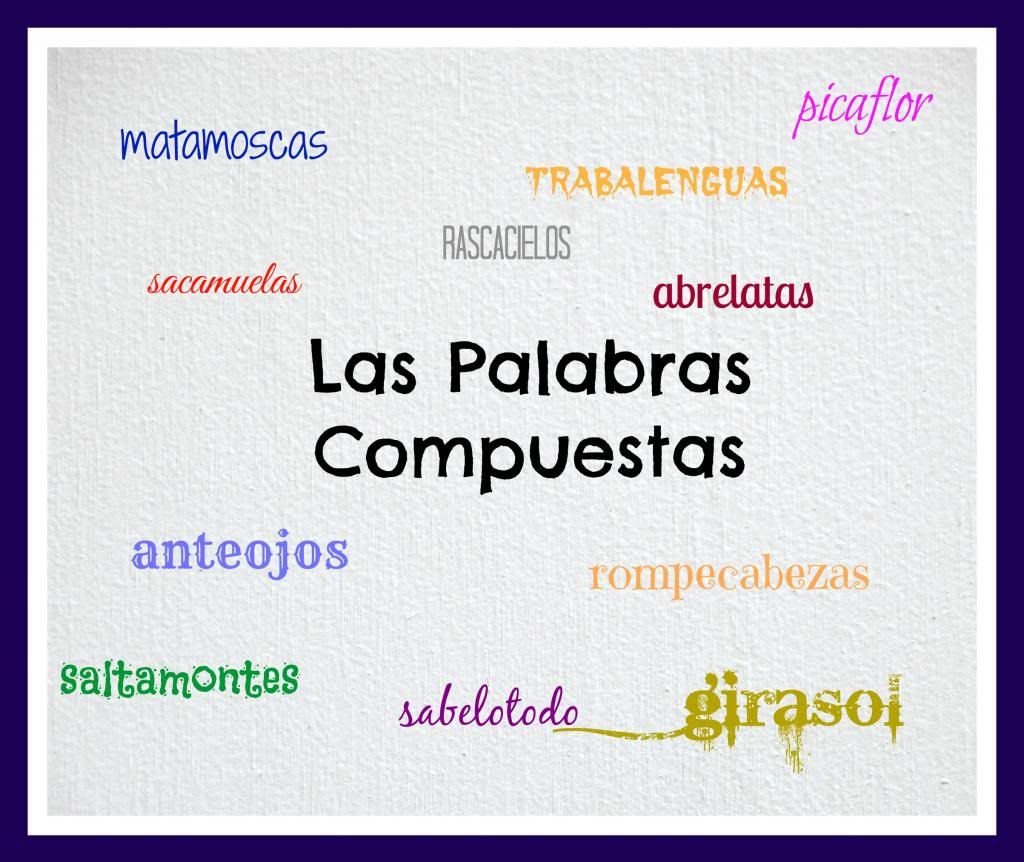
Here is the list of words I used...

abrelatas
rascacielos
anteojos
matamoscas
picaflor
parasol
lavaplatos
salvavidas
cuentagotas
parabrisas
cumpleaños
sabelotodo
espantapájaros
paraguas
rompecabezas
trabalenguas
tragaluz
cascanueces
calientalibros
lavamanos
saltamontes
ciempiés
guardaespaldas
matasanos
telaraña
sacamuelas
girasol
paracaídas
parachoques
camposanto

If you would like to introduce the concept of compound words to younger kids then read to them
El increíble niño comelibros. While it doesn't have a lot of compound words in the text there is one in the title, Comelibros (book eater). After reading the book you can talk about how many compound words are formed...a verb in the he/she form (present tense) and a noun in the plural form.


Come back tomorrow to see my post on games you can do with compound words.